

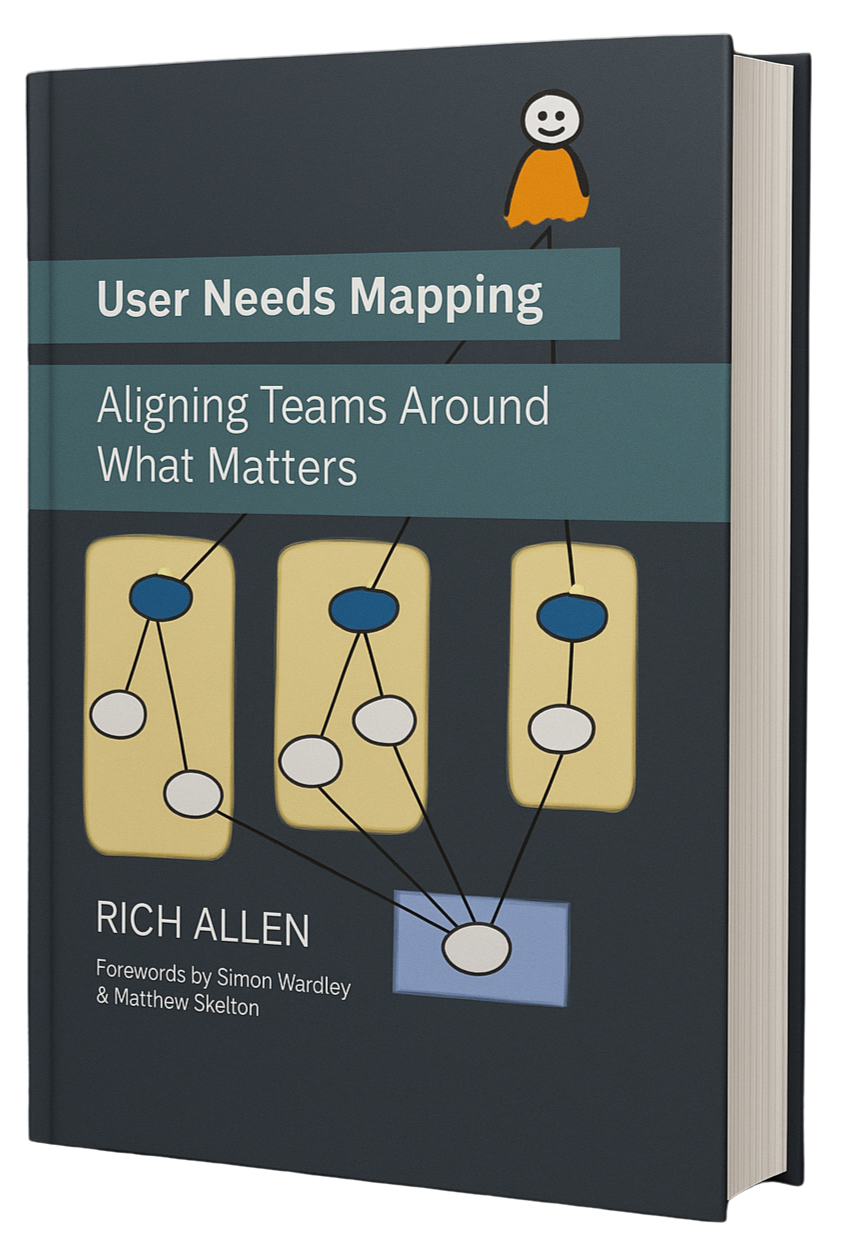
Map needs
Align teams
Deliver value
From Rich Allen, leading sociotechnical architect and creator of User Needs Mapping - a practical guide for aligning teams, reducing friction and delivering value that truly meets user needs
When great teams feel stuck, it’s rarely about effort
You’ve read the playbooks, adopted the frameworks, and put real effort into aligning strategy with delivery. And yet, something still doesn’t quite add up. Work is happening, teams are busy, but it’s not translating into the value you expected.
User Needs Mapping helps you see what’s really happening beneath the surface.
It’s a practical, visual approach to reconnect your organisation’s effort with what users actually need—so you can make better decisions, reduce friction, and restore momentum.
When teams lose sight of user needs, predictable patterns emerge:
Features no one uses
Unclear ownership and blurred boundaries
Endless dependencies and coordination overhead
Burnout from trying to do everything at once
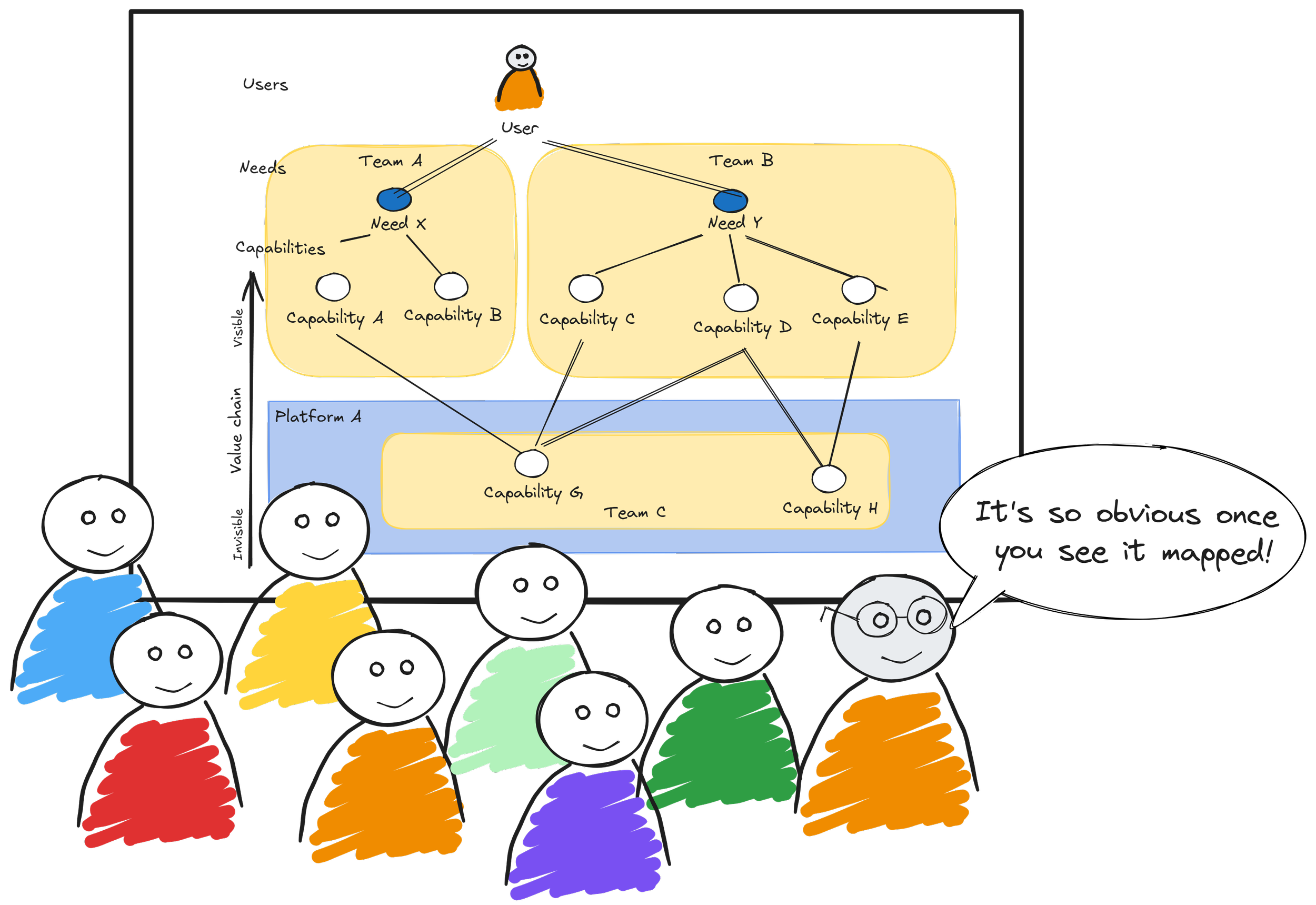
User Needs Mapping – Aligning Teams Around What Matters shows you how to break that cycle. Through real examples, step-by-step guidance, and visual tools, you’ll learn how to make user needs visible, clarify responsibilities, and evolve team interactions for fast, sustainable flow of value.
If you’ve ever asked yourself, “Why do good teams with good intentions still end up working at cross purposes?” — this book gives you the answer.
Who is it for?
Leaders looking to create clarity, focus, and alignment
Change agents and facilitators running workshops and transformations
Product and platform teams seeking smoother flow and fewer handoffs
Team Topologies practitioners looking for an outside-in approach to team design
Anyone stuck in the maze of inside-out thinking
You’ll learn how to:
Connect user needs to the capabilities and teams that deliver them
Spot where work is misaligned and where friction really lives
Create shared clarity between strategy, design, and delivery
Lead meaningful conversations about structure and value flow
“If a Wardley Map gives you the landscape, User Needs Mapping shows you what has been sitting at the end of your street all along.”
Simon Wardley, Creator of Wardley Mapping
Endorsed by leaders shaping how we work
-
![Black and white portrait of Simon Wardley with a beard and short hair, wearing a checked shirt and a blazer, looking at the camera.]()
"Let this book sharpen how you look at users, how you understand the work that serves them, and how you design teams and platforms that make that work flow."
Simon Wardley
Creator of Wardley Mapping -
![A smiling man, Matthew Skelton, with short dark hair, wearing a checkered shirt, standing indoors against a blurred background.]()
“User Needs Mapping is a vital approach for any leader who wants to empower teams to be good stewards of meaningful outcomes. I am confident it will help you and your teams deliver value with less friction and more meaning.”
Matthew Skelton
Co-Author, Team Topologies

What practitioners are saying
-
![A picture of Debbie Kite, wearing a black top.]()
“Whenever I'm trying to solve a product problem, in the end the answer always comes by ignoring the product and thinking instead about our users. Rich's book gives you a recipe for doing that across your whole organization. It’s well-written, full of practical examples, and can be tailored to fit the needs and abilities of any team.”
Debbie Kite, Senior Product Manager
-
![Portrait of Vicky Brentnall with blonde hair and a black top]()
"Rich cuts through the chaos with User Needs Mapping: a clear, intuitive model that puts the user where they belong—at the centre. This book is packed with tools to help you figure out what your users really want, so you can get organised, meet their needs, and deliver real value for your business. It’s smart, straightforward, and seriously useful.”
Vicky Brentnall, Product Director
Real impact in real organisations
-
![Portrait of a man with a beard, wearing a light blue button-up shirt, smiling lightly, against a white background.]()
“During our engagement, one of the topics that caught my attention the most was User Needs Mapping, which helped us reconsider how internal services are provided.”
Rodrigo Viana Rocha, Head of Software Engineering, Syngenta Digital
-
![Image of Ross Langley, with a beard and white t shirt, wearing a cap]()
"It’s much easier to communicate where and how AI is influencing a user or customer need with UNM than customer journey maps or service blueprints."
Ross Langley, Head of Product Design, Fresh
-
![Picture of Tom Quay, wearing glasses and a blue shirt, smiling]()
“User Needs Mapping gave us a completely new way to see how our teams connect to user outcomes. It revealed opportunities to organise more effectively and played a crucial role in how we applied Team Topologies at Passenger.”
Tom Quay, CEO, Passenger



Take the next step
User Needs Mapping helps teams reconnect effort to value, align around user needs, and evolve with confidence. Whether you’re leading a product portfolio, a platform team, or a transformation initiative, UNM can help you make sense of where value is getting stuck and what to do next. Together, we’ll uncover how user needs shape your flow of work, your capabilities, and your team interactions — so you can move from coordination to clarity.
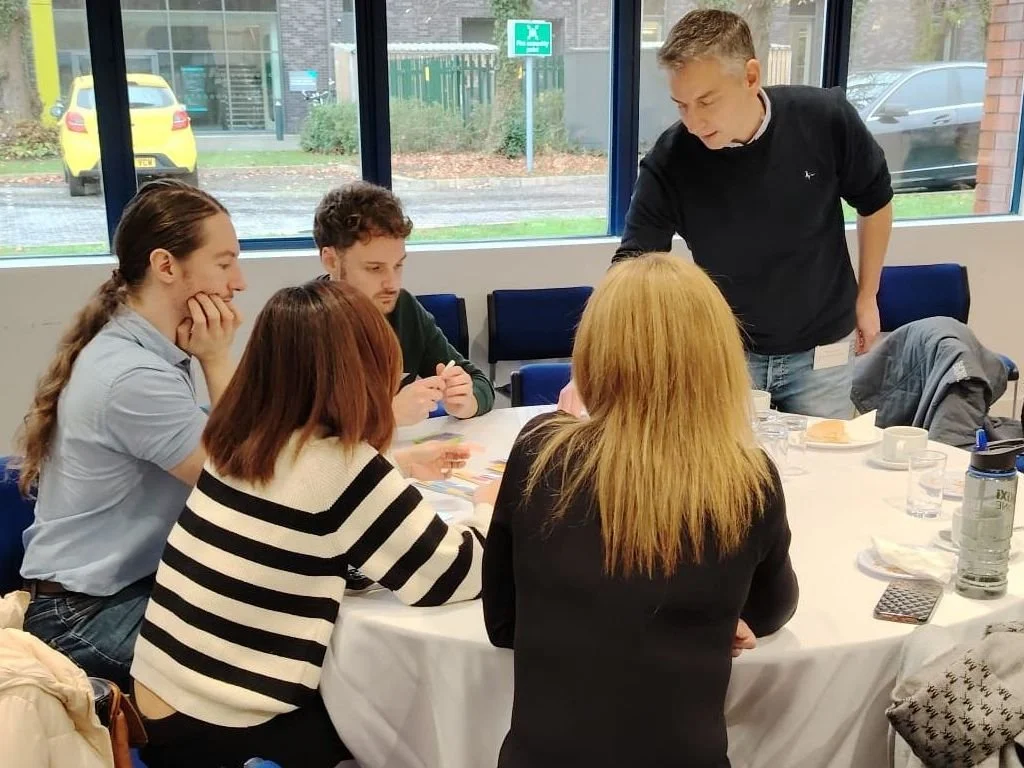
Invite me to run a tailored User Needs Mapping workshop with your teams. Together we’ll uncover misalignment, clarify capabilities, and identify practical flow-improving moves grounded in your real context.

If you need more than a workshop, we can partner directly through targeted consulting or ongoing advisory support. Ideal for organisations looking to evolve team boundaries, reduce friction, and build fast-flow ways of working over time.

Dive into the approach and step-by-step process behind User Needs Mapping. See how it helps teams align around real user needs, clarify capabilities, and make better decisions.
Meet the author

I’m Rich Allen
Sociotechnical architect, consultant, and creator of User Needs Mapping.
With 20 years of hands-on experience from engineer to CTO, I bring a rare mix of technical depth and organisational insight. As one of the earliest contributors to the development and teaching of Team Topologies, I helped shape many of the core materials now used in Team Topologies training and consulting worldwide.
My work has supported organisations of every size to reduce friction, clarify boundaries, and reconnect their teams to the outcomes that matter.
Have you read the book?
I’d love to hear what you think.
User Needs Mapping is shaped by the real-world stories and insights shared by leaders and practitioners. If the book has helped you — whether through a new insight, a better conversation, or a clearer path to alignment — I’d love to hear what resonated with you, and what you’d improve.
Your feedback helps strengthen the practice for everyone.