
Resistance to Change
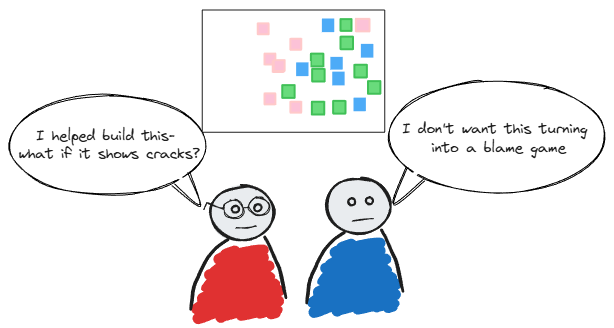
When teams begin using UNM, the biggest initial barrier is often resistance — not to the technique itself, but to what it surfaces. Seeing misalignment, ownership gaps, or unclear responsibilities can feel threatening to people who shaped or inherited the current system. Organisations must create psychological safety before meaningful mapping can begin.
What Resistance Looks Like
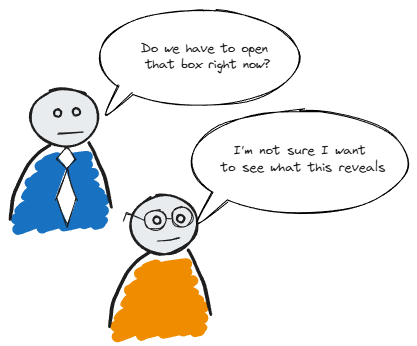
People dismiss mapping as “too much work” before trying it
Participants try to steer the conversation back to existing structures
Managers feel defensive when gaps or overlaps appear
Teams worry the map will be used to justify reorgs
Stakeholders avoid participating to “stay out of the line of fire”
Why It Happens During UNM Adoption
UNM makes the invisible visible, which can feel uncomfortable
People assume mapping = criticism of past decisions
Fear of accountability for unclear ownership
Lack of trust across teams or roles
Past reorg fatigue making teams wary of structural conversations
How to Move Past It
Frame UNM as sensemaking, not restructuring
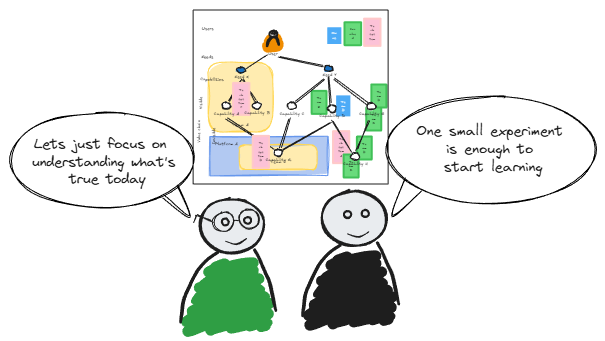
Start with small, safe-to-try pilots
Map a non-controversial user journey first
Involve facilitators who can de-escalate defensiveness
Keep early sessions focused on shared understanding, not solutions
Practical Tips
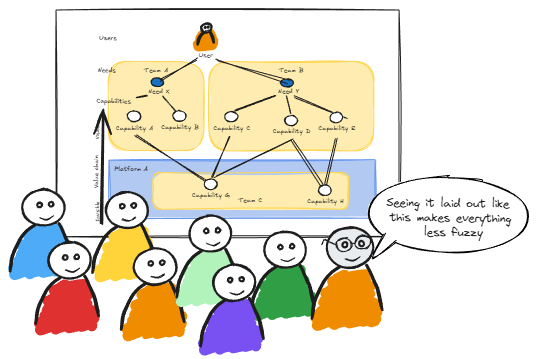
Use visuals and simple explanations to demystify the process.
Celebrate early successes to build momentum.
Provide resources and training to ease adoption.
Resistance softens when teams realise UNM helps them, rather than judging them. Clarity reduces fear — and clarity is the first outcome of the practice.
Safe-to-Try Interventions
Start Small
Begin with a pilot project for one team or department. Focus on delivering quick wins that demonstrate the value of User Needs Mapping.
Involve Stakeholders Early
Engage team members and leadership in the process from the start. Explain the benefits and show how the approach aligns with organisational goals.
Highlight Success Stories
Share examples from other organisations, such as Passenger’s Case Study, to build confidence and excitement.