
Sustaining Momentum
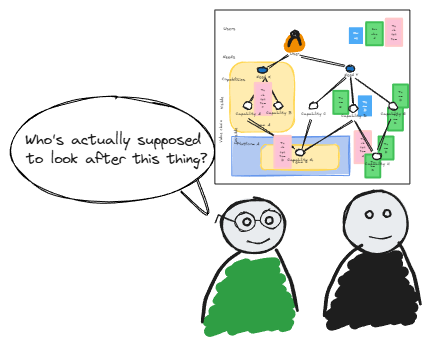
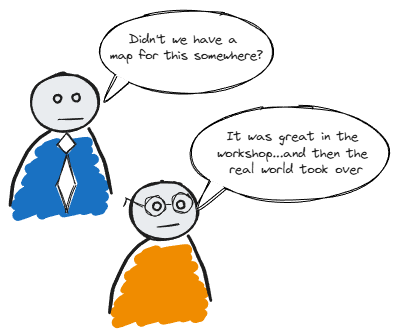
Many organisations run one successful mapping session… and then drop it. Without integration into planning, strategy, or decision rhythms, the map becomes a forgotten artefact instead of a living tool. Sustaining momentum is one of the hardest UNM adoption challenges.
What This Challenge Looks Like
Teams never revisit the map
Insights are noted, but not translated into decisions
New needs emerge but aren’t added
Leadership doesn’t use the map in strategy conversations
The practice fades once the facilitator steps away
Why It Happens During UNM Adoption
No designated “map steward”
Mapping perceived as a one-off event
No integration with planning, portfolio, or team design cycles
Delivery pressure crowds out reflection
Lack of confidence in evolving the map over time
How to Move Past It
Make the map a standing artefact in planning sessions
Add a UNM review to quarterly or monthly rhythms
Assign someone to maintain it (a UNM steward)
Use the map for flow decisions, not just alignment
Celebrate updates, discoveries, and refinements
Practical Tips
Set Clear Expectations: Define how often maps should be updated and who is responsible.
Track Progress: Use measurable outcomes (e.g. reduced dependencies, faster delivery times) to show the impact of mapping.
Provide Support: Offer resources, templates, or training to make the process easier for teams to adopt and sustain.
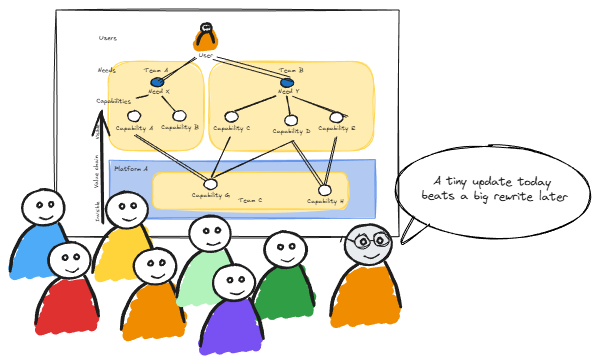
Momentum grows when the map becomes part of how decisions are made — not something you did once.
Safe-to-Try Interventions
Make It a Habit
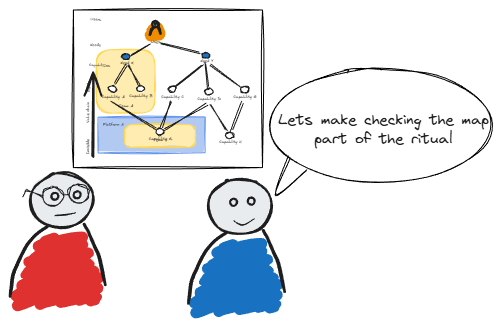
Incorporate User Needs Mapping into regular workflows. Schedule recurring reviews, such as quarterly check-ins or retrospectives, to revisit and refine your maps.
Celebrate Successes
Highlight the tangible improvements achieved through User Needs Mapping. Sharing success stories reinforces its value and motivates teams to continue the practice.
Integrate Mapping into Existing Processes
Tie User Needs Mapping activities to established processes, such as team planning, strategic reviews, or operational meetings. This ensures the practice remains a priority.