
User Needs Mapping Insights
Articles, examples, and practical guidance for applying User Needs Mapping to align teams around real user needs.
Search blog:
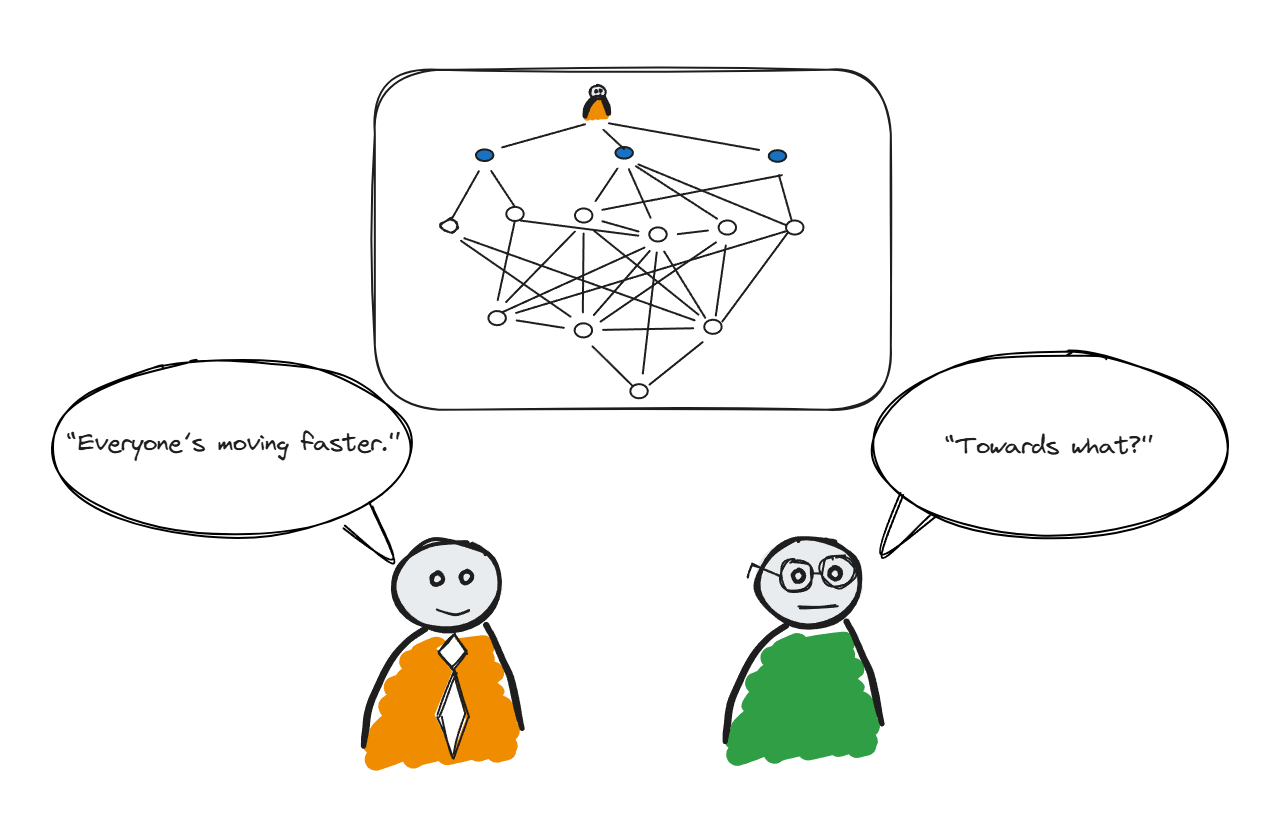
Knowing What Matters: Why Adaptive Organisations Stay Close to Customer Value
If teams are to act coherently in a changing environment, they need more than autonomy and coordination. They need shared clarity about what creates value, whose needs matter most, and which signals deserve a response, and a deliberate system design that enables them to act on that clarity.
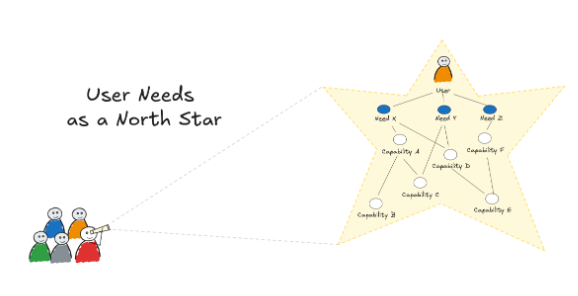
User Needs as a North Star: a Key Insight From DORA on AI Adoption
The 2025 State of AI-assisted Software Development report from DORA introduces the DORA AI Capabilities Model as a way to make the “AI as an amplifier” insight actionable, outlining the technical and cultural capabilities that help organisations get positive performance gains from AI rather than simply accelerating existing dysfunction. Among those capabilities, User-Centric Focus stands out — because it’s the one that keeps teams moving in the right direction and because DORA research² shows that teams who focus on the user have 40% higher organisational performance and significantly higher job satisfaction.
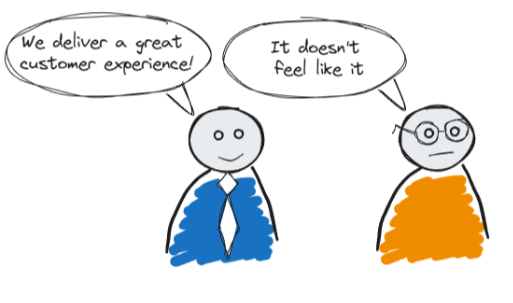
Why the delivery gap persists: it’s how teams interact, not how hard they work
Organisations genuinely believe they are customer-centric because their strategy starts with customers. But users experience the organisation from the outside-in, across multiple interactions and teams. Most organisations, however, are designed inside-out, around internal functions. The result is the delivery gap.
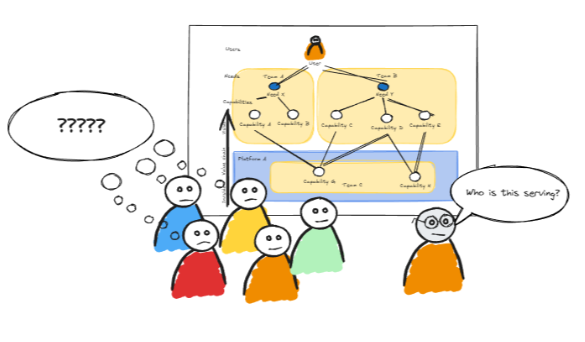
Why “Who is This Serving?” Is the Most Radical Question in Modern Organisations
Organisations often assume they already think about users. Most strategy starts with customer insights, market movements, competitive analyses, and ambitious visions. But day-to-day conversations tell a different story. One of the most powerful shifts I see in organisations adopting User Needs Mapping comes from the simplest possible question: “Who is this serving?” It sounds trivial. It isn’t.
The Strategy That Falls Apart: Why Organisations Still Think Inside-Out
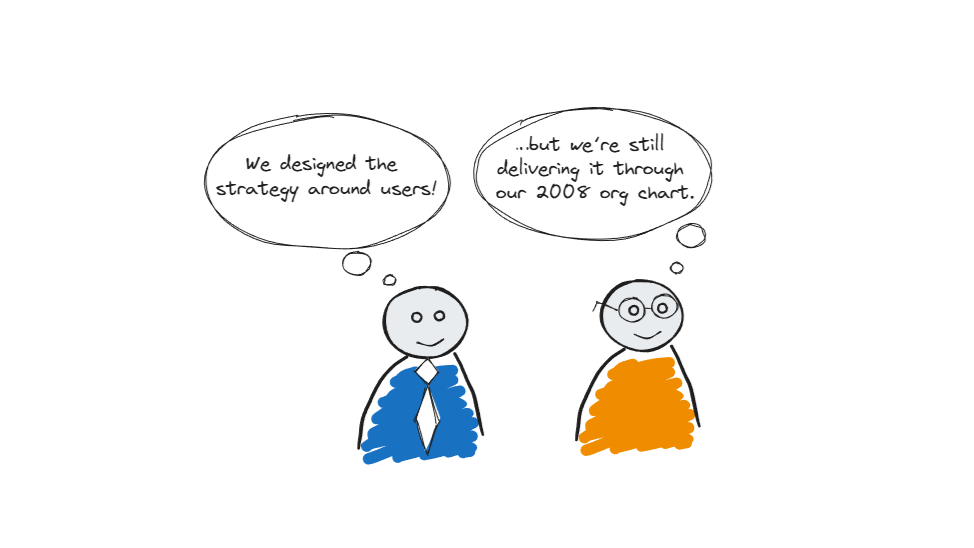
Most organisations genuinely believe they are taking an outside-in approach. Strategies are full of customer insights, market movements, competitive analyses, and ambitious visions. But when implementation begins, everything slows down. Not because people resist change or don’t care; in fact, most teams care deeply and work incredibly hard. The real issue is quieter: the organisation plans outside-in but executes inside-out.
How to Separate Real Needs from Wants, Requests, and Noise
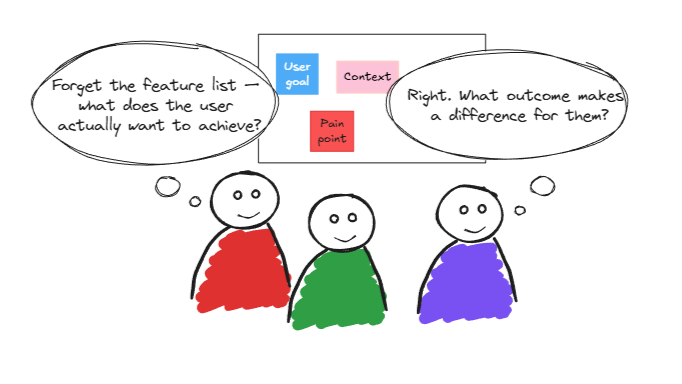
Understanding and defining real user needs is a pivotal step in the User Needs Mapping process. A clearly defined user need is more than a description of pain - it's a shared lens for more effective decision-making. When teams focus on the underlying progress the user is trying to make - rather than the requests they happen to express - everything becomes clearer: priorities, dependencies, feasibility, and ultimately, value.
Who Are You Really Designing For?
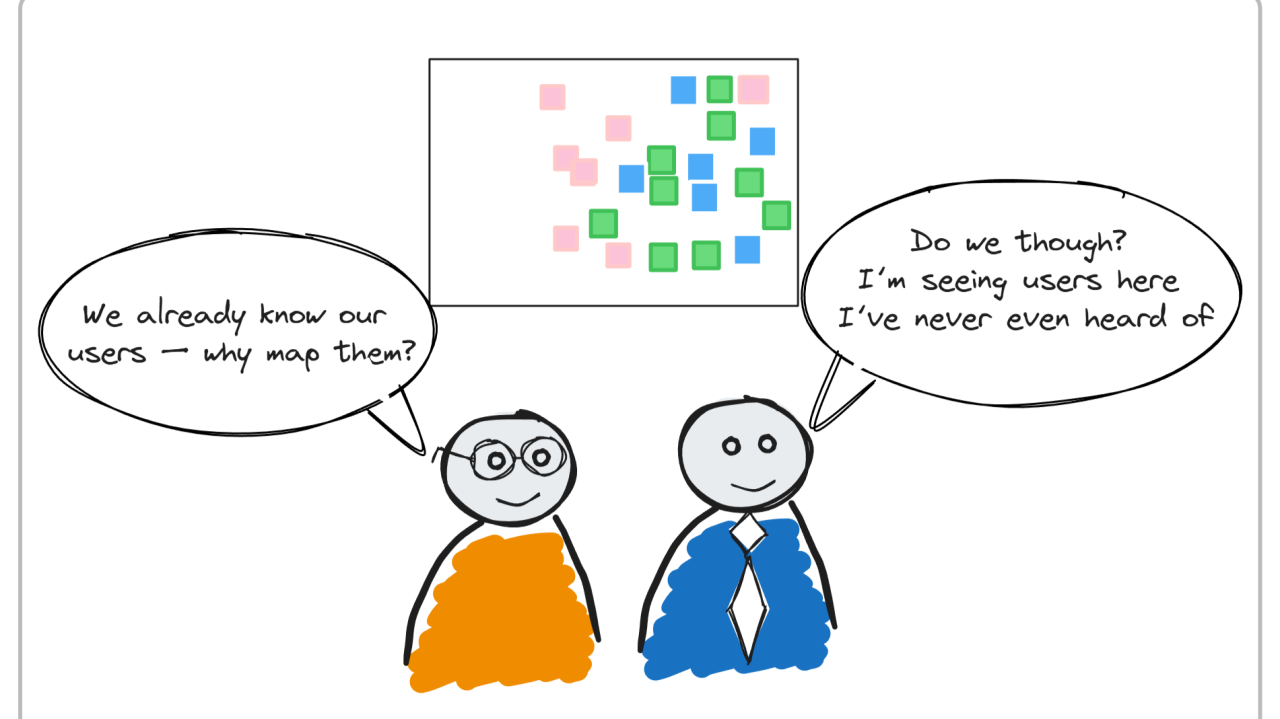
Most teams believe they already know who their users are. It’s one of the most common patterns I’ve seen across organisations of every shape and size. A team will say, confidently: “We know our users. We work with them every day.” But the moment we put those “known users” on a wall, certainty starts to dissolve and different perspectives surface.
Why Shared Language Is the Hidden Enabler of Alignment and Flow
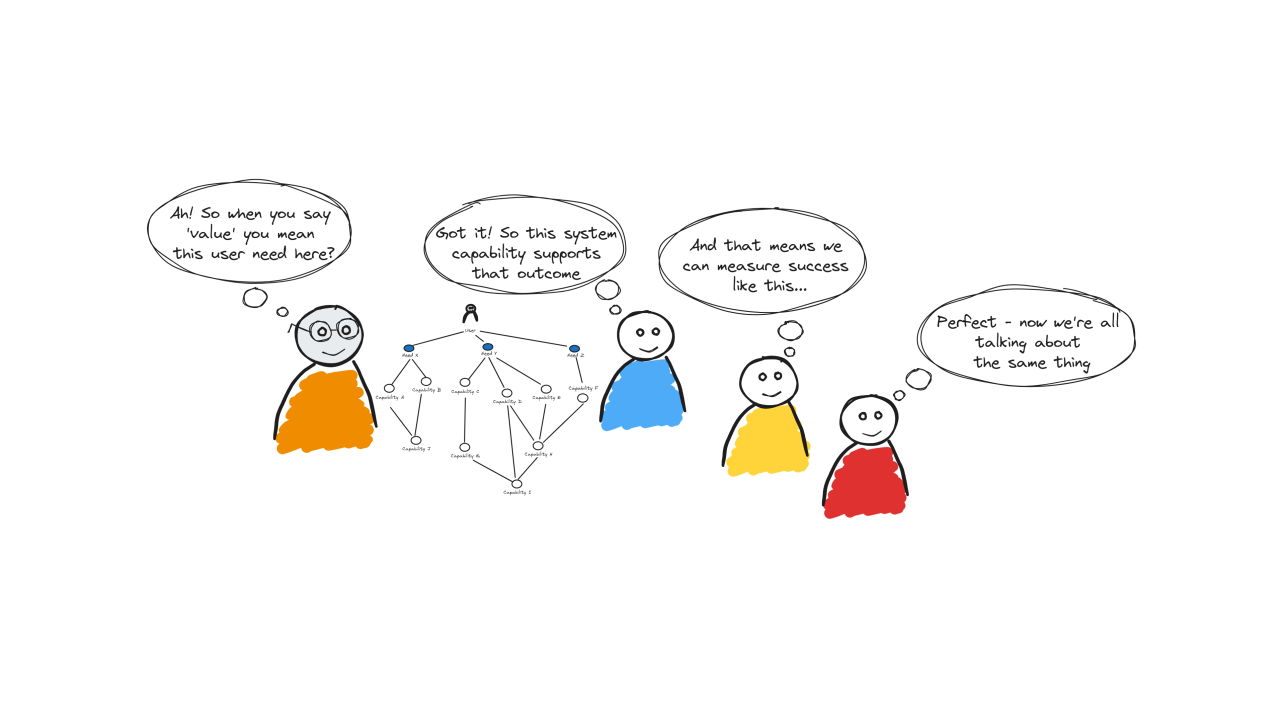
When organisations talk about alignment, they often jump straight to strategy, structure, or process. But the foundation for all of these, the invisible glue that holds collaboration together, is something far simpler: shared language.
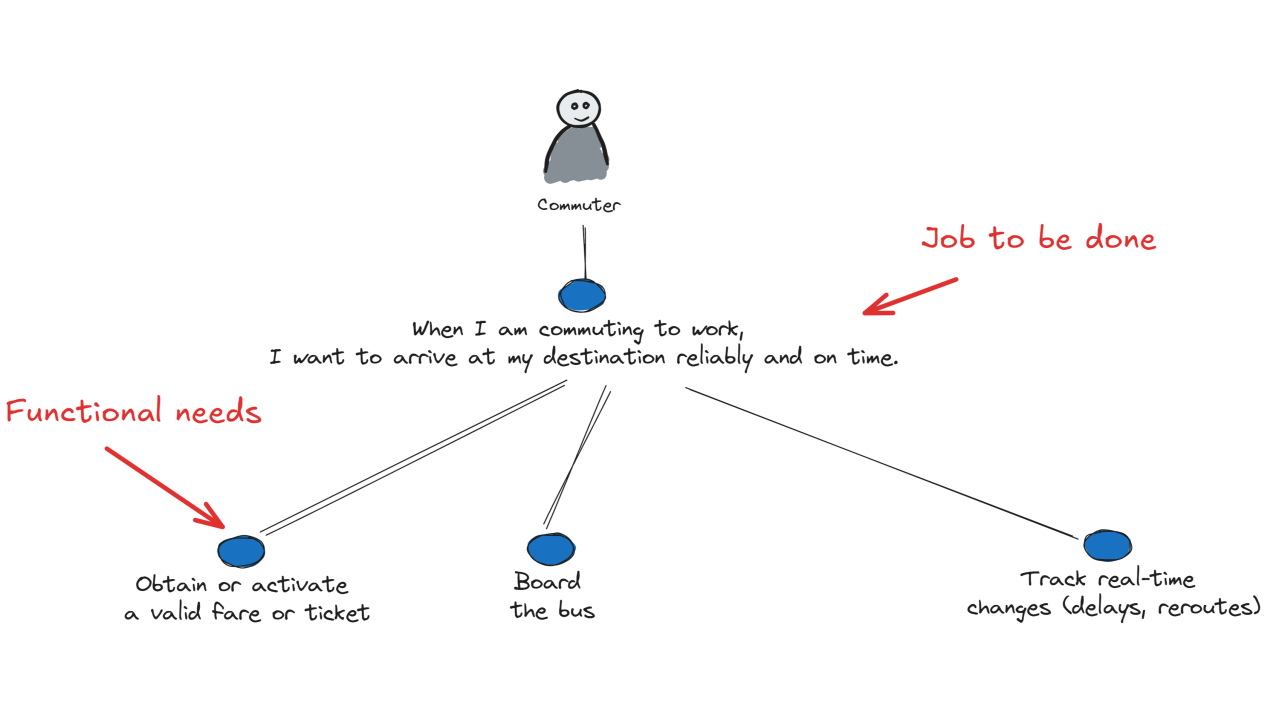
Combining Jobs to Be Done with User Needs Mapping
Understanding what drives your users is crucial for delivering products and services that truly meet their needs. While Jobs to Be Done (JTBD) focuses on uncovering the underlying motivations behind user actions, User Needs Mapping provides a framework for aligning teams and capabilities to meet those needs. Together, these methodologies offer a powerful approach to driving value and aligning your organization around user goals.
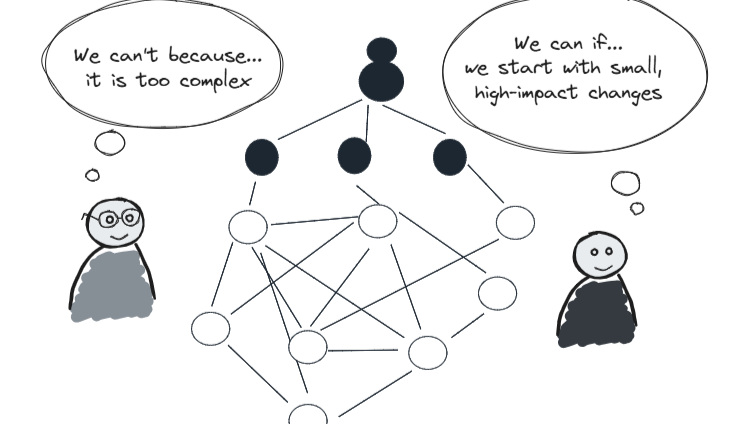
Making Constraints Beautiful with User Needs Mapping
Growing organizations, particularly scale-ups, often face a common challenge: defining effective team and service boundaries when resources are limited. While the task might seem daunting, embracing a mindset of possibility can transform constraints into opportunities.
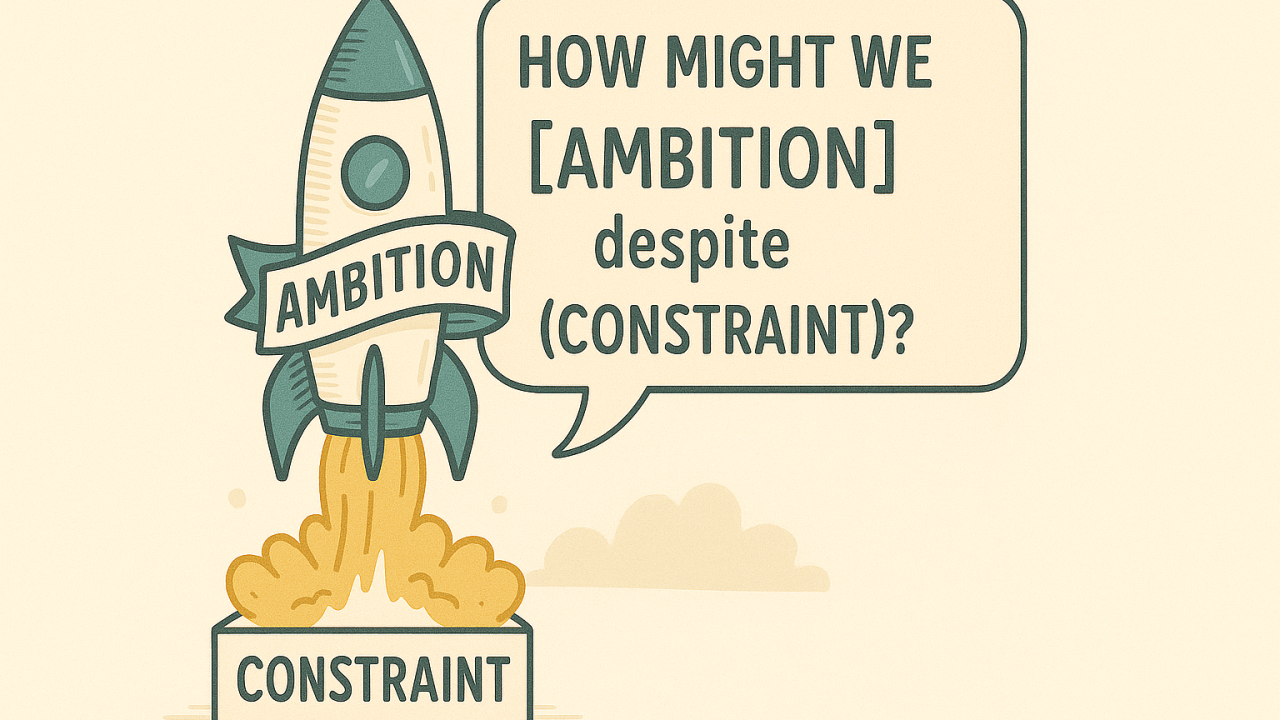
Turning Constraints Into Catalysts
Time. Budget. Legacy systems. Regulatory requirements. Skill gaps. Cultural inertia. These aren’t signs that something is broken. They’re the reality of operating in a complex world.
The challenge isn’t whether constraints exist. It’s how we relate to them. Too often, constraints are treated as blockers. Reasons we can’t act. Excuses for stagnation. But what if we reframed them?
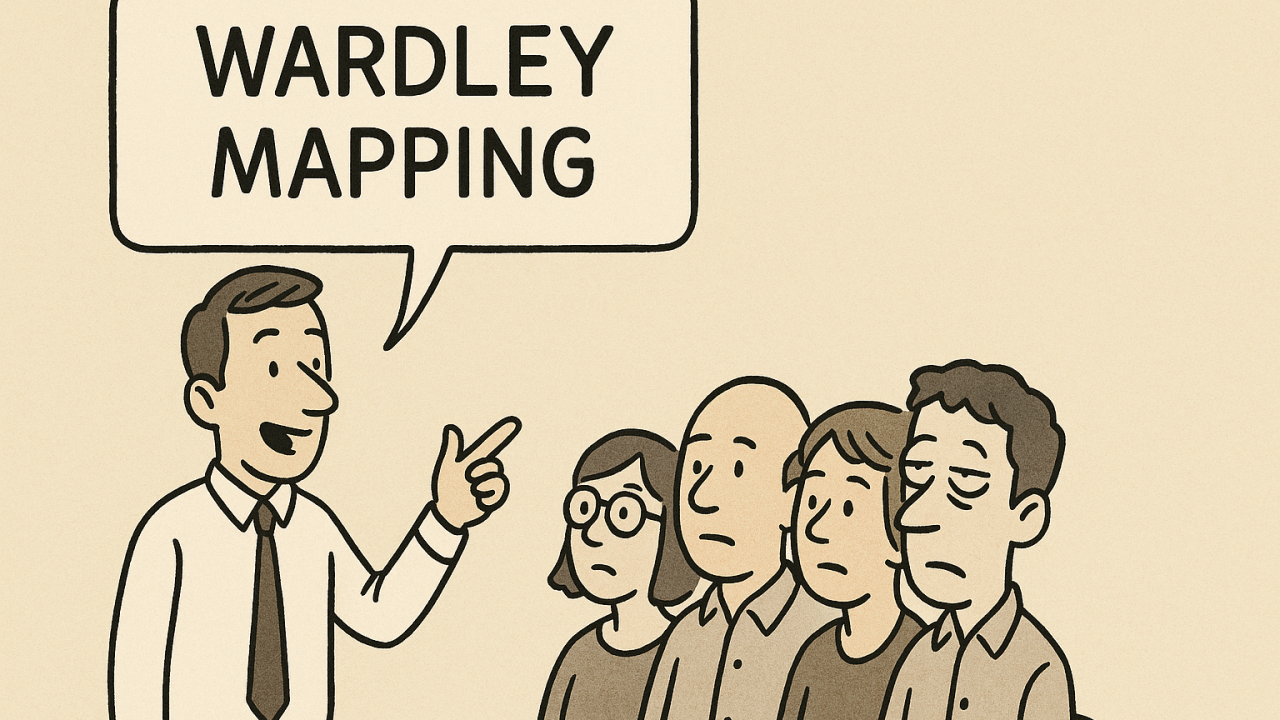
Not leading with the label: How to introduce transformative techniques without overwhelming your teams
Have you ever tried to introduce a new way of working such as Wardley Mapping, Team Topologies, or Domain-Driven Design (DDD), only to see your team’s eyes glaze over? You’re not alone. While these methodologies, approaches and frameworks can unlock incredible value, their perceived complexity, size and scope can often intimidate teams and create resistance before you even begin.
Rich Allen is a sociotechnical architect and creator of User Needs Mapping, a collaborative modelling approach that helps organisations align teams around real user needs. He writes about organisational design, team interactions, and the flow of value.
Explore more articles on richallen.info/blog